Craniosacral Therapy
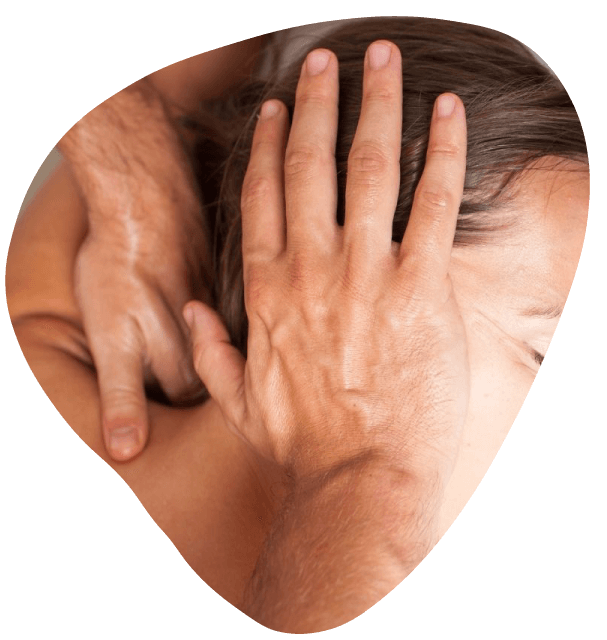
CST is a gentle but potent way of working with the body using a light touch. It supports your body's innate ability to balance, restore and heal itself as well as helping to reduce stress, build underlying energy and find deep relaxation. It is suitable for everyone, from newly-born babies to the elderly.
CST works very deep with the mind-body-inner level and it can be quite a profoundly transformational experience. CST is a presence where communication is not reliant upon words and where words, when used, are like drops of healing rain.
Craniosacral Therapy FAQ
There are certain situations where application of CST would not be recommended. These include conditions where a variation and/or slight increase in intracranial pressure would cause instability.
Acute aneurysm, cerebral hemorrhage or other preexisting severe bleeding disorders are examples of conditions that could be affected by small intracranial pressure changes.
Response to CST varies from individual to individual and condition to condition. Your response is uniquely your own and can't be compared to anyone else's — even those cases that may appear to be similar to your own.
The number of sessions needed varies widely — from just one up to three or more a week over the course of several weeks.
Through the simplicity of gentle listening touch, CST offers a distinctive stillness that allows your mind and body to rest deeply and begin to restore a natural balance.
CST recognises and assists the connections between body, mind and emotions. In the peaceful space created during a session these strands can become more fully integrated.
CST works well on its own as well as alongside other complementary approaches such as acupuncture, homeopathy and yoga. If you are unsure please talk to a practitioner.
CST is a perfect complement to talking therapies. Physically processing emotional issues and trauma held in the body supports the work of counselling and psychotherapy.
CST is intended to work alongside the healthcare service your doctor provides. If you have a particular concern about your health we would always recommend that you consult your GP. CST practitioners do not diagnose or prescribe medication.
The CSTA accredits practitioners who are in continuing professional development and adhere to the Association's Code of Ethics and Standards of Practice.
If you have any questions about CST and whether it is suitable for you, please contact a practitioner, who will be happy to help you.
It was in 1970, during a neck surgery in which he was assisting, that osteopathic physician John E. Upledger first observed the rhythmic movement of what would soon be identified as the craniosacral system.
His curiosity piqued, Dr. Upledger began searching for the answer. He started with the research of Dr. William Sutherland, the father of cranial osteopathy. For some 20 years beginning in the early 1900s, Sutherland had explored the concept that the bones of the skull were structured to allow for movement.
From 1975 to 1983 Dr. Upledger served as clinical researcher and Professor of Biomechanics at Michigan State University, where he supervised a team of anatomists, physiologists, biophysicists and bioengineers in research and testing. The results not only confirmed Sutherland's theory, but led to clarification of the mechanisms behind this motion — the craniosacral system. Dr. Upledger's continued work in the field ultimately resulted in his development of CranioSacral Therapy.
Additional information
- Concussion and Traumatic Brain Injury
- Depression
- Stress and Tension-Related Disorders
- Brain and Spinal Cord Injuries
- Central Nervous System Disorders
- Chronic Fatigue Syndrome
- Motor Coordination Impairments
- Learning Disabilities
- ADD / ADHD
- Post Traumatic Stress Disorders (PTSD)
- Neck pain / Bone and Joint Disorders / Frozen Shoulder
- Anxiety
- Headaches / Migraines
- Neuralgia / Sciatica / Sinusitis / Scoliosis / Back Pain
- TMJ Disorders / Bruxism
- Immune Issues
- Emotional Trauma
- Tinnitus / Labyrinthitis
- Sexual Trauma
- Autism
- Dyslexia
- Post-Pregnancy (post-partum) Difficulties

FTF Prices Studio
60
Packages
1 hour sessions
3 sessions – $140 per session
(3 months expiration from date of purchase)
5 sessions – $135 per session
(5 months expiration from date of purchase)
Prices In Home
60
Packages
1 hour sessions
3 sessions – $280 per session
(3 months expiration from date of purchase)
5 sessions – $270 per session
(5 months expiration from date of purchase)